el arte sana.
At biubiu we love what we do.
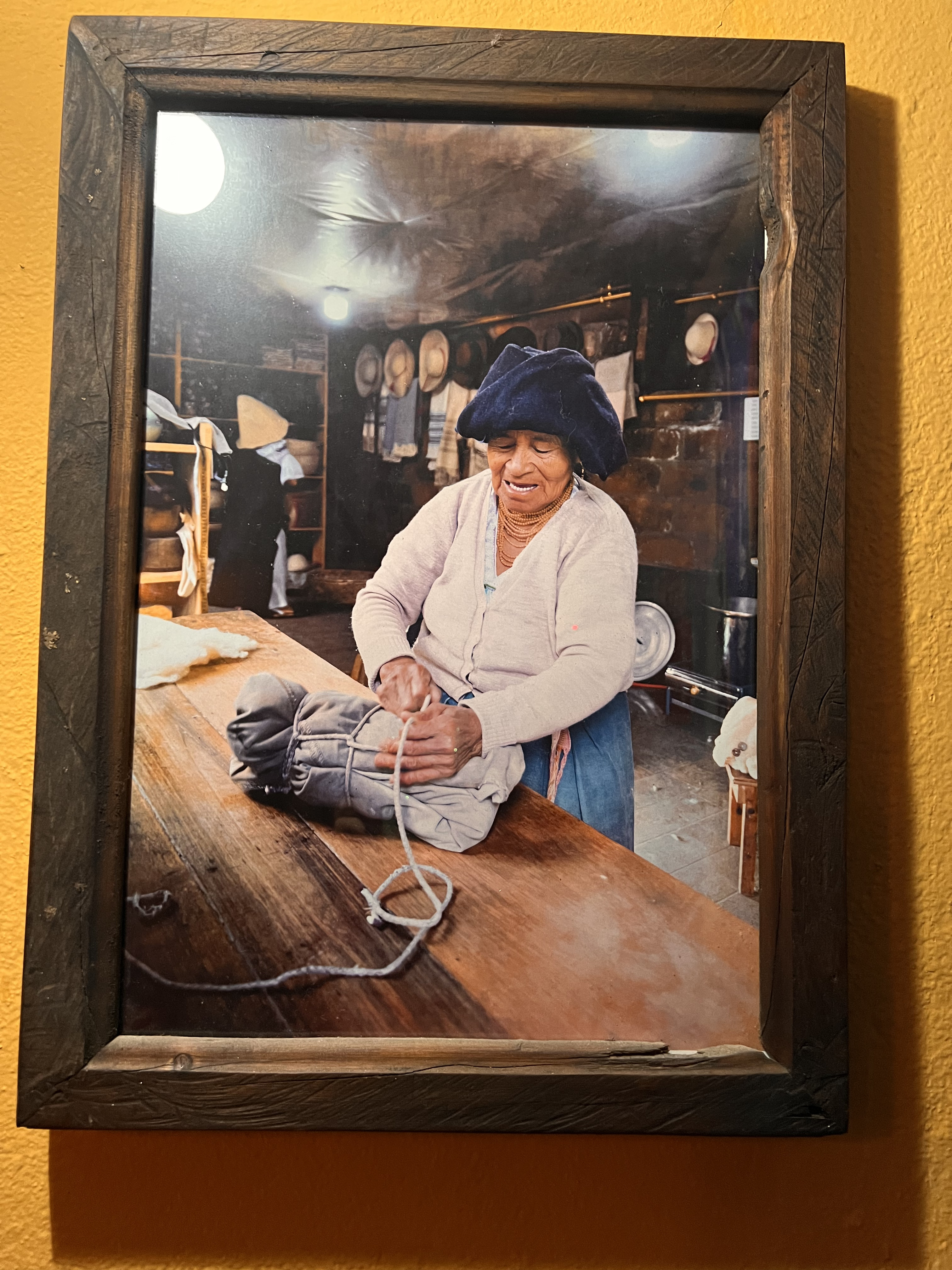
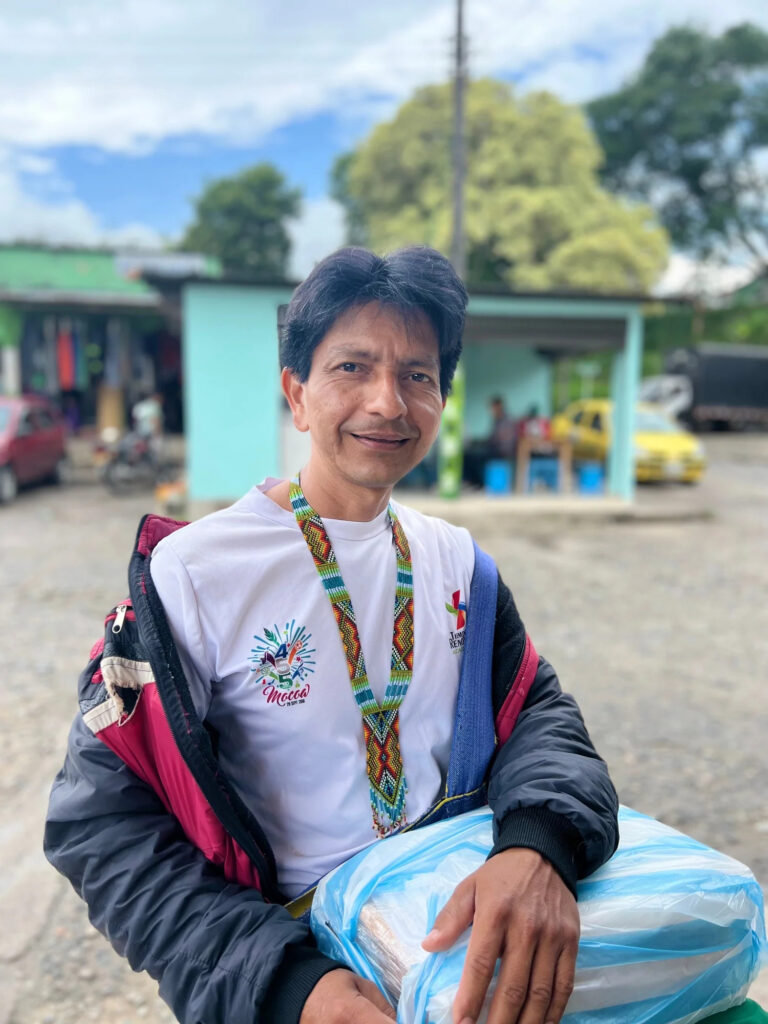
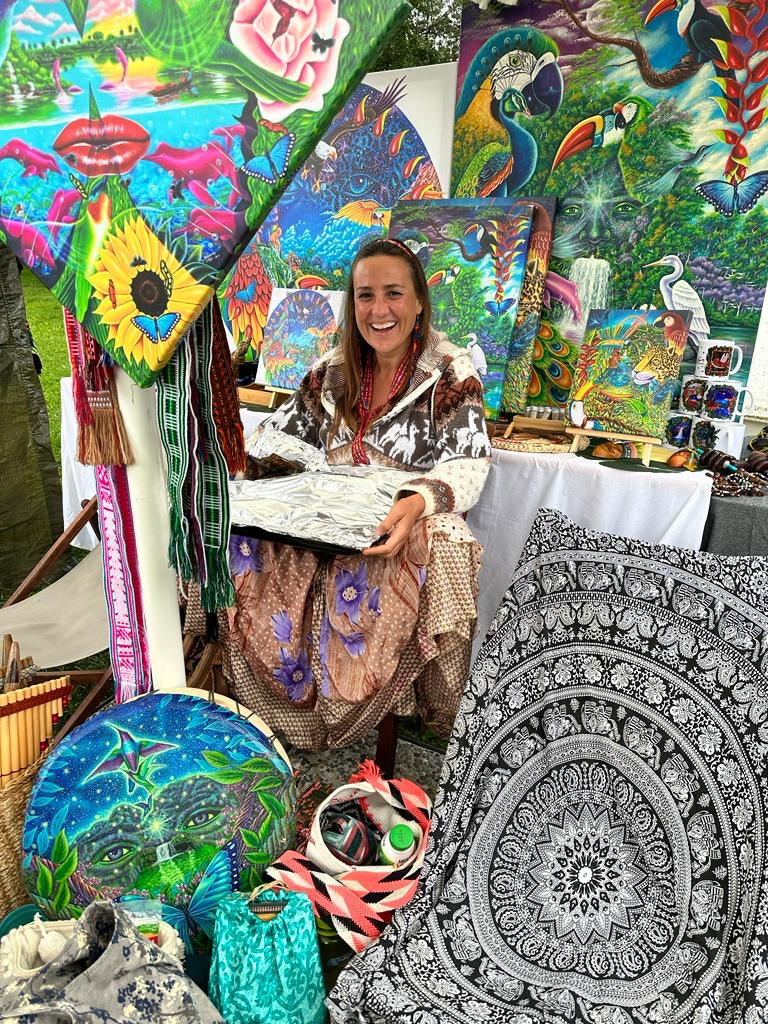
We choose each product personally, because we find them beautiful, and use them ourselves. Most of the bius are individual and handmade by local artisans from different ancestral cultures in Putumayo, Colombia. Get to know more about their stories and the magicians behind it.
Who are the magicians behind biu?
Biu collaborates with local entrepreneurs from Acre in Brazil, Putumayo in Colombia and Imbabura in Ecuador. Most of them are local shops, we will share more about soon. And some of them have online visibility.


The Biu principles
At Biu we love what we do and have some basic principles, which are
- We love the bius. We choose each product personally, because we find them beautiful, and use them ourselves. Most of the bius are individual and handmade by local artisans from different ancestral cultures in Putumayo, Colombia.
What are Mambe and Ambil?
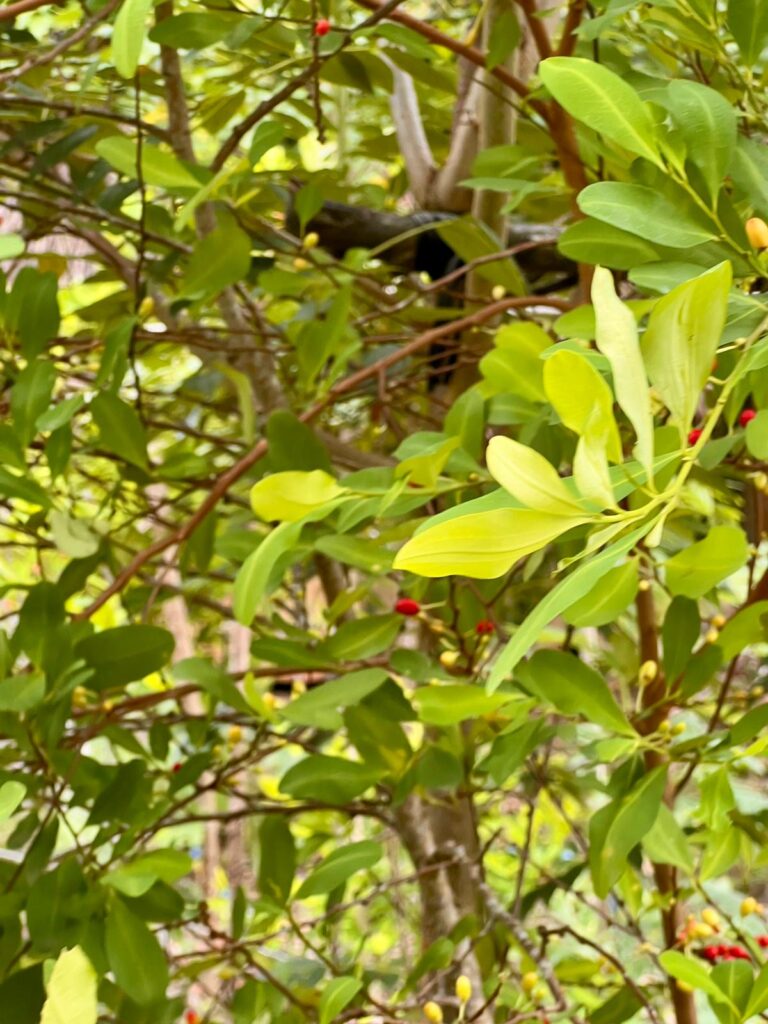
Mambe and Ambil are ancestral medicines from the Amazon. Mambe emanates the word of life, a “sweet word”, it teaches us to express ourselves with more sweetness and take us to a state of consciousness where our words can become very healing and honest. 💚


Artist Roberto Carlos Imbacuán
Roberto Carlos Imbacuan is a Putumayan artist from the Amazon.
He lives in Mocoa, Putumayo, Colombia, South America, and has spent his short existence painting and dancing as an artist.
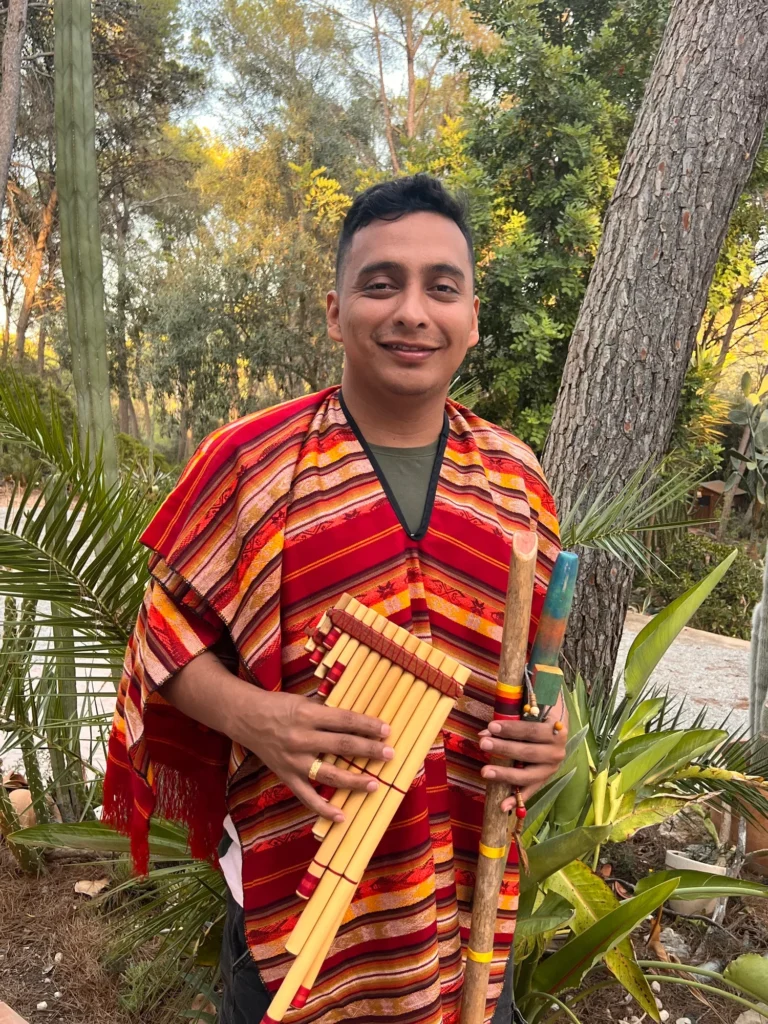
Shamanic, Andean and native flutes
The luthier Iván Zambrano is building Native, Andean and Shamanic flutes in Mocoa/Putumayo. He works mainly with bamboo, but also other woods, and builds different tunings.
Ivan works with flutes since more then 16 years.


Who is making the hapeh?
In March 2022 I visited the Healing center of the Yawanawá village Mutum at the Gregorio river in Acre, Brazil.
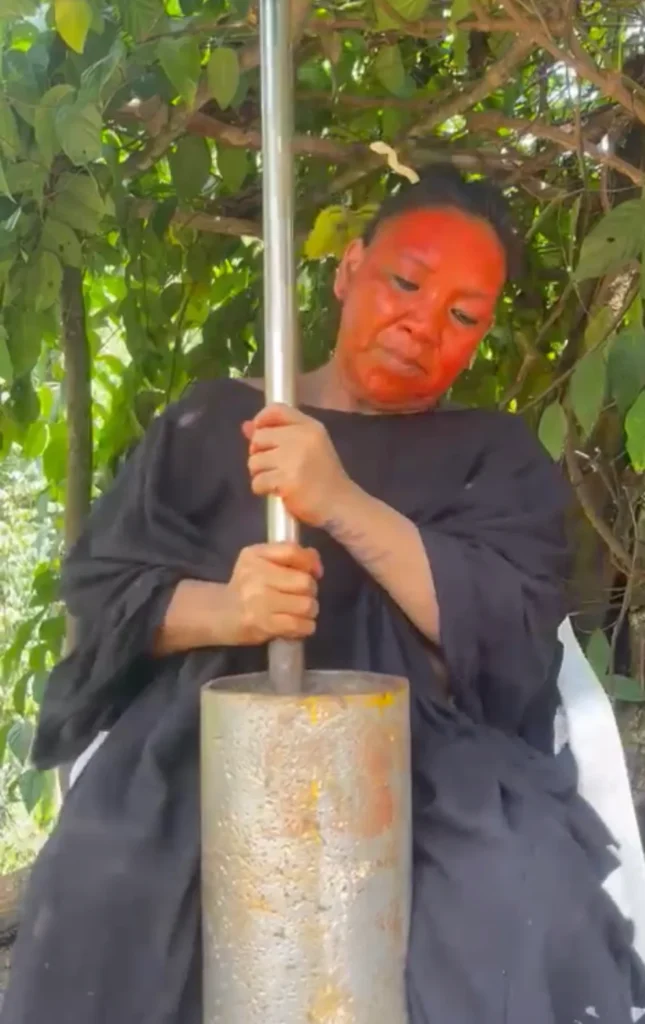
In the healing tradition of the Yawanawa, Rapeh is a medicine prepared from Tabacco leaves and the ash of a tree called Tsunu.
It is a medicine that has been part of their culture for as long as they know, used by their ancestors far before any westerners came to their land.
Hushahu, together with her sister, were the first woman who entered into a shamanic study in the story of their people.
The Waira – Chakapa 🌿🌴
“Wayra” in Quechua language means “wind”.
The Waira, Wayra, chacapa, also called shakapa or chakapa, is a sound instrument made with dry leaves used by shamans and healers in traditional Amazonian medicine rituals. The bushes of the genus Pariana provide the leaves for the chacapa.
In an ayahuasca ceremony, for example, a healer may shake the chakapa around the patient while singing an icaro (healing song). The sound of the chakapa is said to comfort and “cleanse” the energy surrounding the patient.


Los Pastos
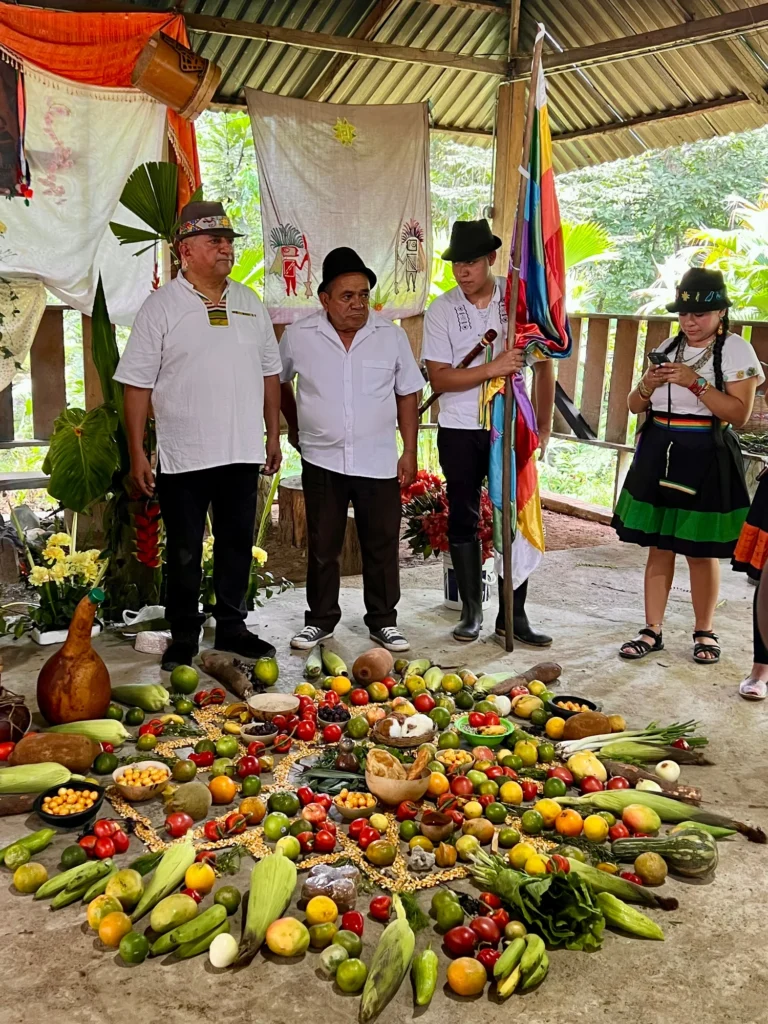
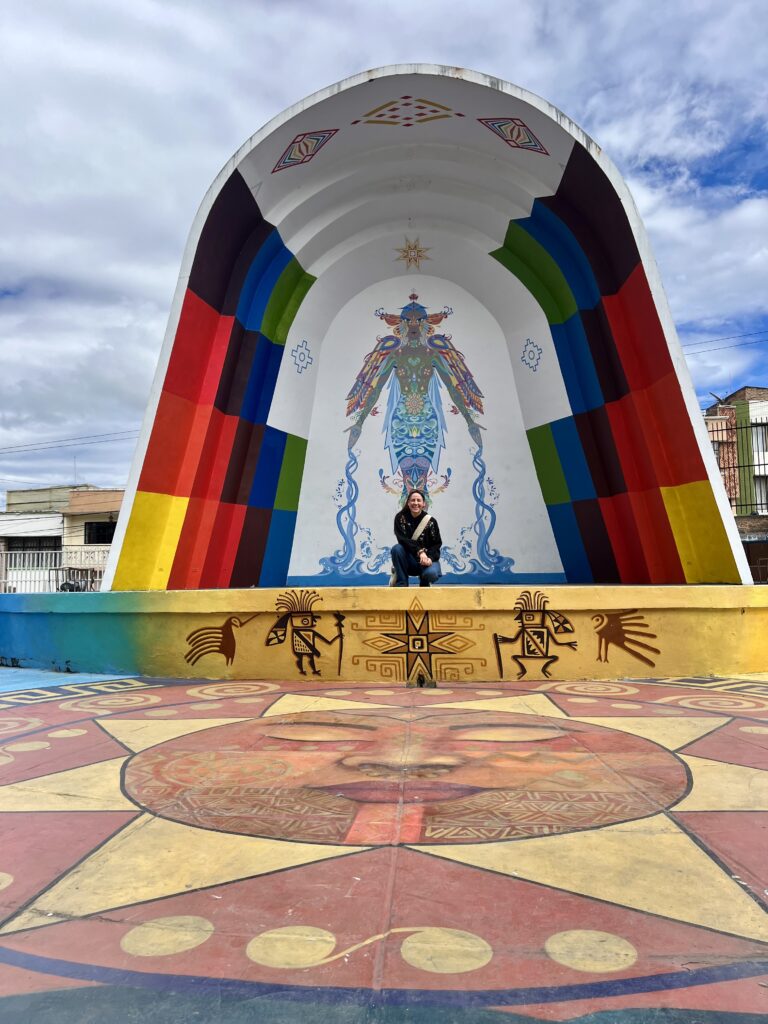
Majority of Pastos people live in southern Colombia and northern Ecuador. Today their population is aprox 130.000 people, and their aboriginal language is considered extinct – currently under research/reconstruction.
Mochilas Kogi – Kogi bags from Sierra Nevada
The Sierra Nevada in Colombia, the heart of the world.
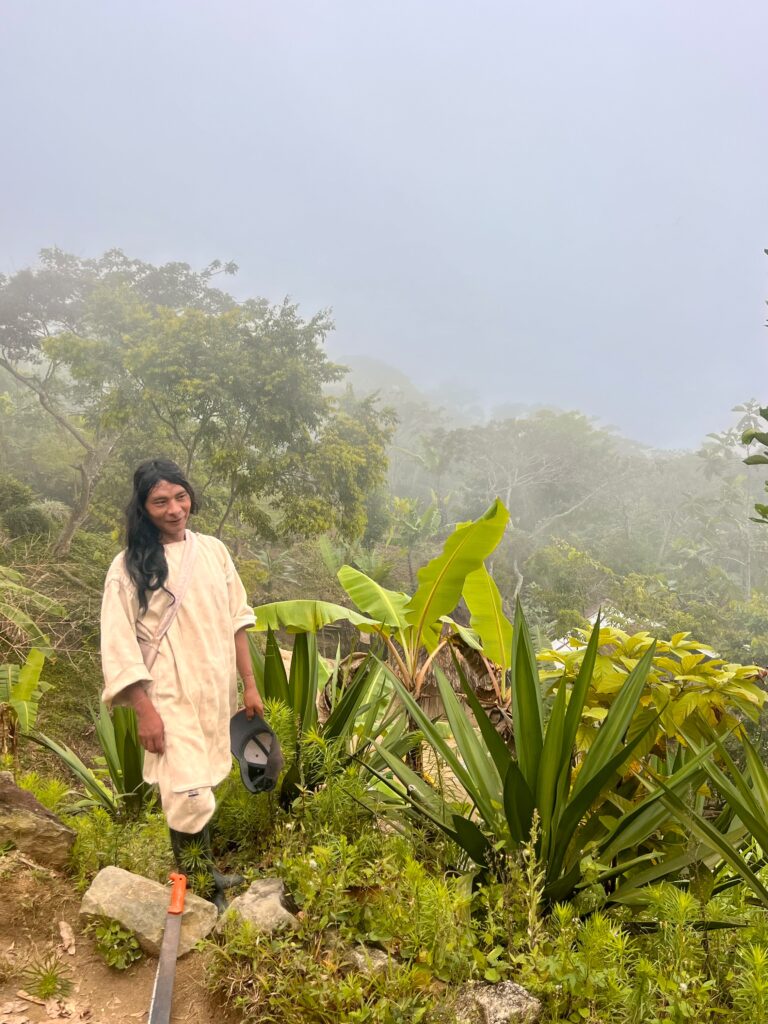
Home to four indigenous communities: Arhuaco, Kogi, Wiwi and Kankuamo.
I visited the Kogui community Uldezhaxa.
In Kogi (Kagava) culture, weaving plays a crucial role. Weaving just like weaving thoughts.
Women weave the bags, men weave the clothing.